



Can I go to rehab without going to detox first? Sometimes, yes. If you aren’t physically dependent on a substance, you may be able to start rehab without detox. However, if you’ve been using alcohol, opioids, or benzodiazepines regularly, medical detox is usually needed first, because withdrawal from these substances can be painful and, in some cases, dangerous.
When you’re ready to get help, you want to start as soon as possible. So it’s natural to wonder whether you can skip detox and go straight into rehab, especially if detox sounds intimidating or you’re worried about losing time.
The honest answer depends on what you’ve been using, how much, and for how long. In this guide, Hygea Healthcare explains when detox is necessary, when you may be able to go to rehab without detox, and how moving directly from detox into residential treatment can protect your recovery.
What Is the Difference Between Detox and Rehab?
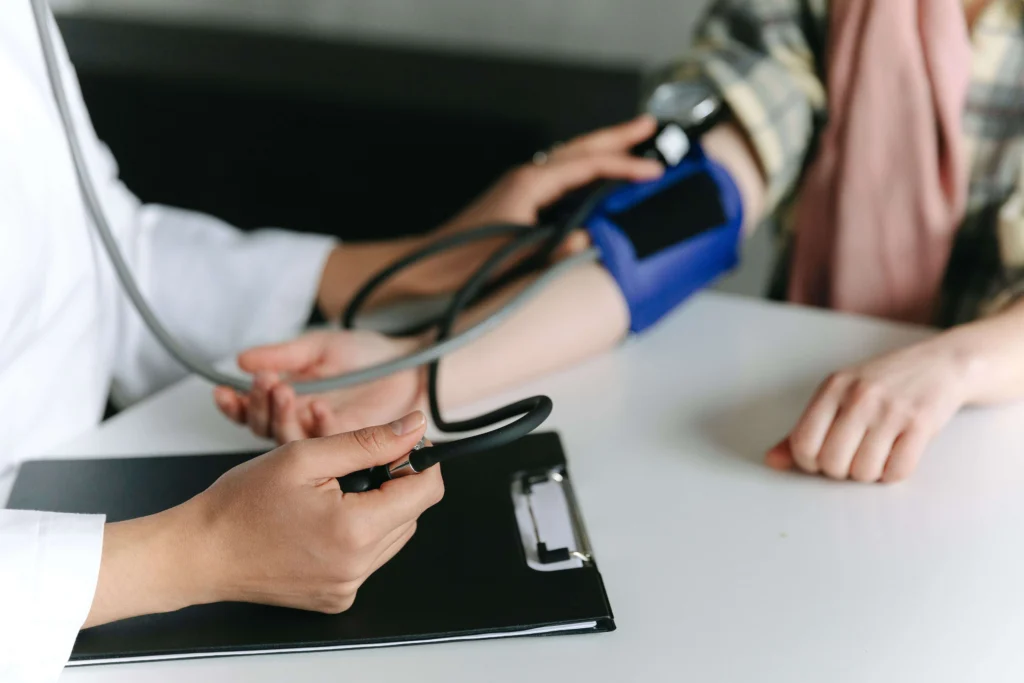
Detox and rehab are two different but connected stages of addiction treatment. Understanding what each one does can help you see why many people need both.
What Happens in Detox?
Medical detox is the process of safely clearing alcohol or drugs from your body while a medical team manages withdrawal symptoms. Typically, it lasts several days, depending on the substance and how long you’ve been using. During detox, clinicians monitor your vital signs, provide medications to ease discomfort, and watch for complications.
Importantly, detox focuses on your body. It helps you become physically stable, but it doesn’t address the thoughts, emotions, habits, and life circumstances that drive addiction.
What Happens in Rehab?
Rehab, such as residential treatment, focuses on the deeper work of recovery. In rehab, you take part in individual and group therapy, learn coping skills, address co-occurring mental health conditions, and build a plan for life after treatment. In other words, detox gets you stable, while rehab helps you stay sober.
You May Also Enjoy: What Is the Difference Between Level 3.7 Intensive Inpatient and Residential Rehab?
When Can You Go to Rehab Without Detox?
You may be able to go to rehab without detox if you’re not physically dependent on a substance. For example, this may apply if:
- You’ve stopped using for a period of time and no longer have withdrawal symptoms
- Your use has been occasional rather than daily or heavy
- You’ve been using a substance that typically doesn’t cause dangerous physical withdrawal, such as cannabis or, in some cases, stimulants
- You’ve recently completed detox somewhere else and are ready for the next level of care
Even then, a professional assessment is essential. Some people underestimate their level of dependence, and withdrawal can show up unexpectedly once use stops. As a result, an admissions team will usually review your substance use, health history, and current symptoms before recommending the right starting point.
Can Stimulant Users Skip Detox?
Stimulants such as cocaine and methamphetamine usually don’t cause the same life-threatening physical withdrawal as alcohol or benzodiazepines. However, stimulant withdrawal can still bring intense fatigue, depression, anxiety, and cravings. Therefore, some people still benefit from a short period of medically supported stabilization before starting rehab.
When Do You Need Detox Before Rehab?
For many people, going to rehab without detox isn’t safe. Medical detox is usually recommended before rehab if you’ve been using any of the following regularly:
- Alcohol, especially if you drink daily or heavily
- Opioids, including heroin, fentanyl, oxycodone, hydrocodone, and morphine
- Benzodiazepines, such as Xanax, Ativan, Valium, and Klonopin
- Barbiturates and sedative-hypnotics, such as phenobarbital or Ambien
Withdrawal from these substances can range from uncomfortable to life-threatening. For example, according to MedlinePlus, a service of the National Library of Medicine, alcohol withdrawal can cause tremors, anxiety, and, in severe cases, seizures and delirium tremens, which require emergency medical care. Similarly, stopping benzodiazepines suddenly can trigger seizures, and opioid withdrawal can be so painful that many people return to use just to make it stop.
In addition, you may need detox if you:
- Feel sick, shaky, sweaty, or anxious when you go without using
- Need to use first thing in the morning to feel normal
- Have experienced withdrawal symptoms before
- Have a history of seizures or serious medical conditions
- Use more than one substance, such as alcohol and benzodiazepines together
If any of these apply, starting rehab without detox could put your health and recovery at risk. Instead, a short stay in medical detox can help you stabilize safely and comfortably first.
You May Also Enjoy: Can You Detox Safely at Home or Do You Need 24/7 Medical Detox?
Why Should You Go Straight From Detox to Rehab?

One of the most common mistakes after detox is taking a break before starting rehab. Even a short gap can be risky. Here’s why:
- Cravings don’t disappear after detox. Your body may be stable, but the urge to use often remains strong.
- Old triggers are waiting at home. Returning to familiar people, places, and stressors can quickly lead to relapse.
- Tolerance drops after detox. If someone returns to opioids at their previous dose, the risk of overdose is much higher.
- Momentum matters. Moving straight into treatment keeps your commitment strong while motivation is high.
Research supports this approach. For example, an analysis of public sector detox data from three states, published in the Journal of Substance Abuse Treatment, found that people who received two or more substance use services within 30 days after detox were less likely to need detox again.
People in recovery and their families often say the same thing. In a Reddit thread on r/AlAnon titled “Straight to rehab from detox?“, where a family member asked whether their loved one should come home for a while first, one commenter with more than 40 years of sobriety shared:
“I went straight to rehab from detox. That makes the most sense.”
— u/SOmuch2learn, r/AlAnon
In other words, the safest path for most people is a seamless transition from detox directly into rehab.
What If You’ve Already Completed Detox?
If you’ve already finished detox at another facility or a hospital, you may be ready to go to rehab without detox at Hygea. In that case, the admissions team will review your recent history, current symptoms, and any medications you’re taking to make sure residential treatment is the right next step. Ideally, try to arrange admission before you leave detox, so there’s no gap in care.
You May Also Enjoy: What Should You Expect During Residential Addiction Treatment in Maryland?
How Does Hygea Help You Move From Detox to Rehab?
At Hygea Healthcare, detox and residential treatment are designed to work together, so you don’t have to find a new provider or wait between levels of care. Here’s how the process typically works:
- Call or contact admissions. Our team asks about your substance use, health history, and current symptoms.
- Get a recommendation. Based on your needs, we’ll recommend whether to start with medical detox or go directly into residential treatment.
- Begin detox, if needed. Our medical team manages withdrawal with evidence-based medications and 24/7 support.
- Transition into residential treatment. Once you’re stable, you move into rehab, where you begin counseling, therapy, and recovery planning.
- Plan for aftercare. Before you leave, we help you build a plan for continued support at home.
As a result, your care stays connected from the first day to the last.
What Happens in Residential Treatment at Hygea?
Once you begin rehab, treatment focuses on helping you build lasting recovery. Depending on your needs, this may include:
- Substance abuse counseling in individual and group settings
- Cognitive behavioral therapy (CBT) to change thought patterns that lead to use
- Alternative healing approaches that support the mind and body
- Treatment for co-occurring mental health conditions
- Aftercare planning to support you after discharge
The National Institute of Mental Health notes that evidence-based psychotherapies like CBT can help people build skills for lasting change. Likewise, SAMHSA describes how effective treatment options combine counseling, medication when appropriate, and ongoing support.
Where Can You Find Detox and Rehab in Maryland?
Hygea Healthcare provides medical detox and residential addiction treatment at locations across the Baltimore area, so you can get care close to home:
- Middle River: Medical detox and residential treatment
- Camp Meade Road in Linthicum: Residential treatment near BWI and Anne Arundel County
- Belair Road in Baltimore: Residential treatment in Northeast Baltimore
We treat alcohol addiction and drug addiction, including opioids, fentanyl, benzodiazepines, and more. We proudly serve clients from Baltimore City, Baltimore County, Middle River, Essex, Dundalk, Towson, Linthicum, Glen Burnie, Anne Arundel County, Harford County, and communities throughout Maryland.
In addition, Hygea accepts Maryland Medicaid and many private insurance plans. You can learn more on our insurance page. If you need help right away, SAMHSA’s free, confidential National Helpline is available 24 hours a day.
Frequently Asked Questions About Rehab Without Detox
Can I go to rehab without detox if I only drink on weekends?
Possibly. If you don’t experience withdrawal symptoms between drinking episodes, you may be able to go to rehab without detox. However, an assessment is the safest way to know for sure.
Is it dangerous to go to rehab without detox?
It can be if you’re physically dependent on alcohol, benzodiazepines, or opioids. Withdrawal from these substances may cause serious complications, so medical detox is usually recommended first.
How long does detox last before rehab?
Detox usually lasts several days, although the exact length depends on the substance, how much you’ve used, and your overall health.
Can I go home between detox and rehab?
It’s usually best not to. A gap between detox and rehab increases the risk of relapse, and some programs may require you to repeat an assessment if you’ve returned to use.
Does insurance cover both detox and rehab?
Many insurance plans, including Maryland Medicaid, cover medically necessary detox and residential treatment. Our admissions team can verify your benefits.
Start Your Recovery the Safe Way
Whether you need detox first or are ready to begin rehab, the right first step can protect both your health and your recovery. Contact Hygea Healthcare today to find out which level of care is right for you.