



At Hygea Healthcare, our commitment to our patients extends far beyond the walls of our treatment centers. We believe that to truly address the addiction crisis in Maryland, we must lead the charge for kratom regulation and be active participants in the legislative conversations that shape public health policy.
On March 3, 2026, our President, Jordana Blesa, traveled to Annapolis to stand alongside Delegate Kim Ross during the 2026 legislative session. The goal was clear: to provide a clinical perspective on the rising public health realities we see in our communities regarding the unregulated sale of kratom and other unauthorized consumable products. The focus of the visit was House Bill 1523 (HB1523), a critical piece of legislation sponsored by Delegate Ross that seeks to regulate, enforce, and restrict the sale of certain unauthorized products to ensure the safety of all Marylanders.
Understanding the Surge: What is Kratom?
To understand why Jordana Blesa and the team at Hygea Healthcare are advocating so strongly for this bill, it is important to understand the substance at the center of the debate.
Kratom (Mitragyna speciosa) is a tropical tree native to Southeast Asia. Its leaves contain compounds that have psychotropic (mind-altering) effects. At low doses, kratom acts as a stimulant, making users feel more energetic. However, at higher doses, it interacts with opioid receptors in the brain, producing sedation, pleasure, and decreased pain.
Because kratom is often sold in gas stations, smoke shops, and online as a “natural supplement” or “energy booster,” many consumers believe it is harmless. However, the clinical reality is much different. Kratom can be highly addictive, and because it is currently largely unregulated in Maryland, users often have no idea what concentration of active ingredients they are consuming—or if the product is laced with dangerous contaminants.
The Dangers of an Unregulated Market
The primary issue Hygea Healthcare addresses in treatment is the physiological dependency kratom creates. Because it acts on the same brain receptors as morphine and heroin, individuals who attempt to stop using kratom often experience severe withdrawal symptoms, including:
-
Muscle aches and tremors
-
Aggression and irritability
-
Insomnia and extreme fatigue
-
Hostility and emotional instability
Without regulation, these products are being marketed to vulnerable populations, including minors, without any oversight regarding purity, labeling, or safety warnings. This is where HB1523 becomes a life-saving necessity.
Inside the Legislation: What HB1523 Means for Maryland
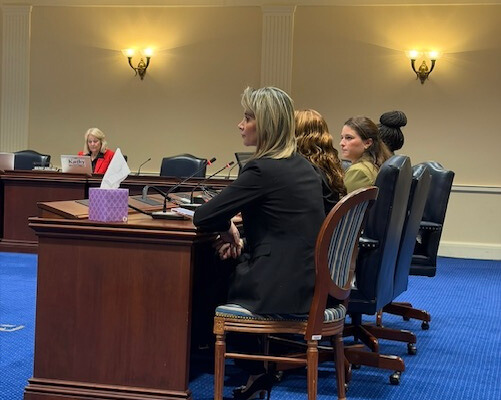
The discussion in Annapolis centered on strengthening the enforcement authority of the Alcohol, Tobacco, and Cannabis Commission (ATCC). Currently, the “Wild West” nature of consumable products like kratom, tianeptine (often called “gas station heroin”), and phenibut makes it difficult for authorities to protect the public.
Key Provisions of HB1523 include:
-
Unauthorized Consumable Products Prohibitions: Retailers would be prohibited from distributing, selling, or advertising unauthorized consumable products that have not been approved for human consumption by the FDA or the Maryland Department of Health.
-
Seizure and Enforcement: The bill authorizes the Executive Director of the Commission to seize, confiscate, or destroy unauthorized products found in retail environments.
-
Strict Penalties: Retailers found violating these laws would face misdemeanor charges, potential imprisonment, and civil liability.
-
Protection of Minors: The bill specifically updates regulations to prevent the marketing and sale of these potent substances to minors.
By classifying these unregulated substances as contraband unless proven safe, Maryland takes a massive step forward in preventing “gas station addiction.”
Advocacy in Action: Clinical Expertise Meets Public Policy
Jordana Blesa’s presence in Annapolis was vital because legislators need to hear from those on the front lines of addiction treatment. As a healthcare leader in District 8, Jordana brought real-world clinical data to Delegate Kim Ross, illustrating how unregulated kratom use often serves as a gateway or a complicating factor in a patient’s recovery journey.
During the visit, Jordana was joined by Zoe, Hygea’s Business Development Representative. For Zoe, it was her second day on the job—a true “immersion” into the advocacy-first culture of Hygea Healthcare. Seeing “Hygea in Action” means understanding that we don’t just treat the symptoms of addiction; we fight to change the environment that allows addiction to flourish.
A Unified Effort: Supporting the Maryland Peer Advisory Council
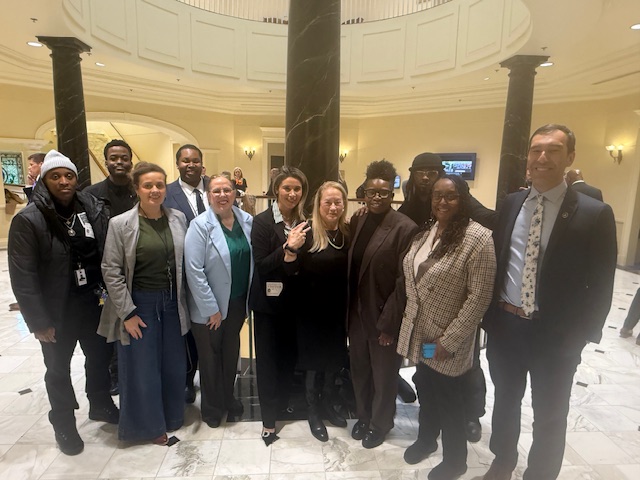
Advocacy is a team sport. While in the halls of the State House, Jordana had the opportunity to connect and pose for photos with Tee Scott from the Maryland Peer Advisory Council. Tee is a tireless advocate for Marylanders, representing the “peer” perspective—those who have lived experience with recovery and are working to improve the system from within.
When substance abuse providers like Hygea Healthcare and peer advocates like Tee Scott stand together, it sends a powerful message to legislation: the recovery community is united.
Connecting with Leadership: A Visit with Senator Carl Jackson
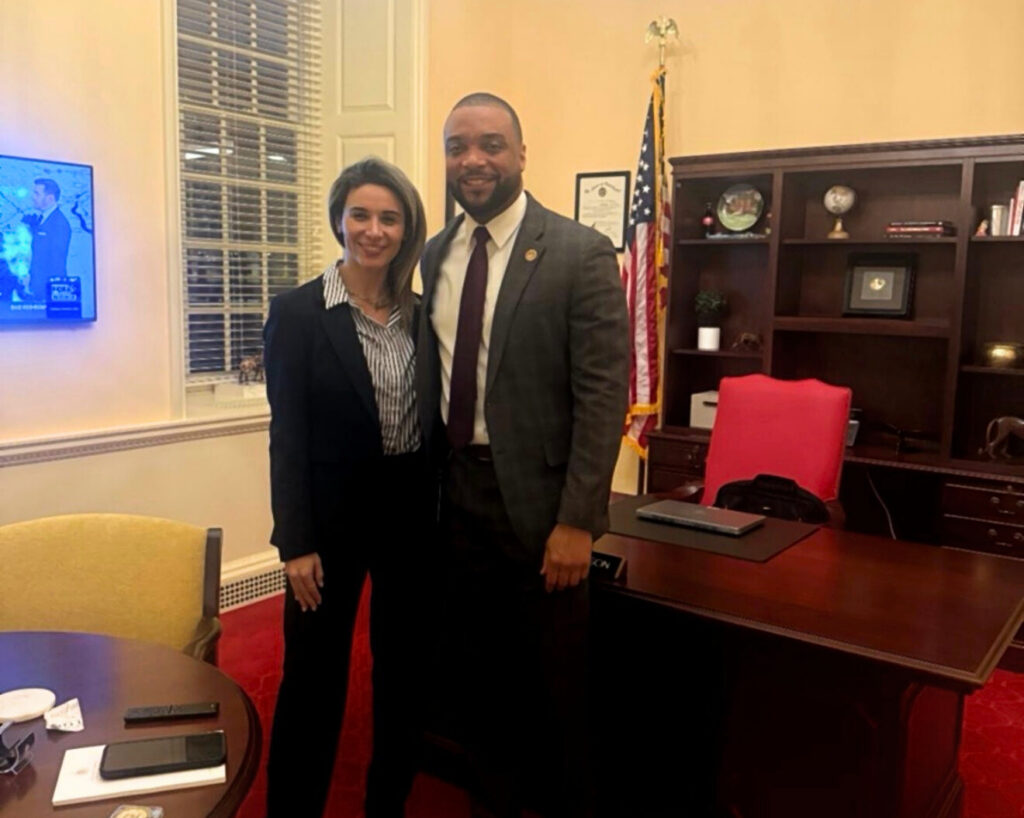
The trip to Annapolis also allowed Jordana to visit her dear friend, Senator Carl Jackson. Senator Jackson has been a consistent voice for the people of Maryland, working tirelessly during this session to improve the lives of his constituents.
“Our prayers are with both Delegate Ross and Senator Jackson as they continue the important work of serving our communities,” says Jordana. “It is through their dedication and willingness to listen to clinical experts that we can hope to pass meaningful legislation like HB1523.”
Why Hygea Healthcare Stands for Regulation
Our stance on kratom is not about prohibition for the sake of it; it is about public safety and transparency. When a substance has the power to alter brain chemistry and create physical dependency, it must be handled with the same scrutiny as any other drug. At Hygea Healthcare, we see the struggle of individuals trying to break free from kratom dependency every day. We see the confusion of parents whose children purchased these products legally at a local shop, unaware of the risks.
By supporting HB1523, we are advocating for:
-
Consumer Protection: Ensuring products are labeled accurately and are free from poisonous contaminants.
-
Age Restrictions: Keeping mind-altering substances out of the hands of children and adolescents.
-
Accountability: Giving the ATCC the teeth they need to remove dangerous, unauthorized products from our shelves.
The Path Forward
As of March 3rd, the bill moved into the House Health and Social Services Committee for its hearing. We encourage all members of our community to review the bill and understand its implications for Maryland’s future.
Healing a community requires more than clinical sessions—it requires the courage to stand in Annapolis and speak truth to power. Hygea Healthcare will continue to be that voice, ensuring that District 8 and all of Maryland remain a place where health and safety come first.
Are you or a loved one struggling with a dependency on kratom or other consumable products? You don’t have to navigate it alone. Contact Hygea Healthcare today to speak with an expert about our evidence-based treatment options.